A.I. in Pharmaceutical Supply Chain
Quick Links
Harnessing AI to Extract Insights from Pharmaceutical Distribution Data
The imperative of being prepared for unforeseen events, exemplified by critical situations such as the recent COVID-19 pandemic, underscores the necessity of anticipating Black Swan events—the unexpected disruptions.

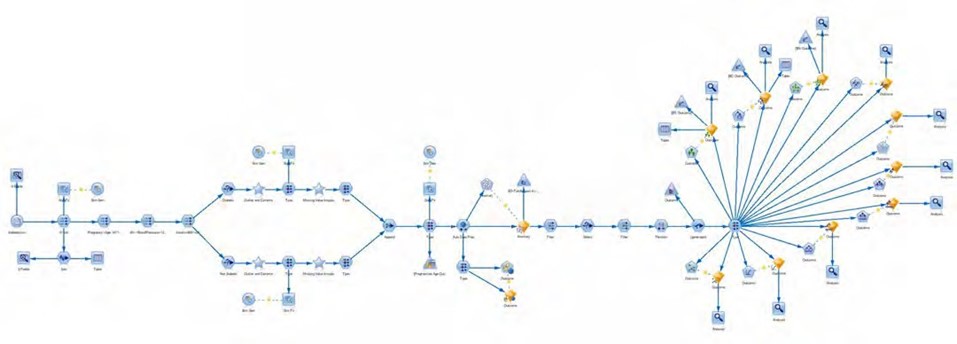
Within the drug supply chain, such disruptions can precipitate shortages or hinder the effective distribution of vital medications during crises. We are working with Iran FDA (Food and Drug Administration of Iran) to pioneer the development of an advanced analytics platform tailored for harnessing vast datasets collected from pharmacies nationwide. Analyzing pharmaceutical sales data at the country level can yield a wealth of valuable information that can be useful for various stakeholders including policymakers, healthcare providers, pharmaceutical companies, and researchers.
Here are some examples of the useful information that we can extract:
- Disease Burden and Epidemiological Trends
Pharmaceutical sales data can provide insights into the prevalence of different diseases and health conditions within a country. By analyzing the sales volumes of medications used to treat specific diseases or symptoms, such as antibiotics for respiratory infections or antidiabetic drugs for diabetes, healthcare stakeholders can assess disease burden and monitor epidemiological trends over time.

- Medication Utilization Patterns
Analyzing drug sales data enables the identification of medication utilization patterns, including prescribing practices, treatment adherence, and medication switching or discontinuation. Understanding how different medications are used within the population can inform healthcare providers, policymakers, and pharmaceutical companies about treatment preferences, effectiveness, and areas for improvement in healthcare delivery.

- Healthcare Access and Disparities
Drug sales data can shed light on healthcare access and disparities within a country. Disparities in medication sales across geographic regions, socioeconomic groups, or demographic characteristics may indicate unequal access to healthcare services and medications. Identifying areas with low medication sales can help target interventions to improve access and address healthcare inequities.

- Pharmacovigilance and Drug Safety
Monitoring drug sales data enables the detection of adverse drug reactions, medication errors, and safety concerns associated with pharmaceutical products. Spikes in sales of specific medications or reports of adverse events may prompt further investigation into potential safety issues, leading to regulatory actions, labeling changes, or post-market surveillance efforts to ensure drug safety.

- Market Trends and Forecasting
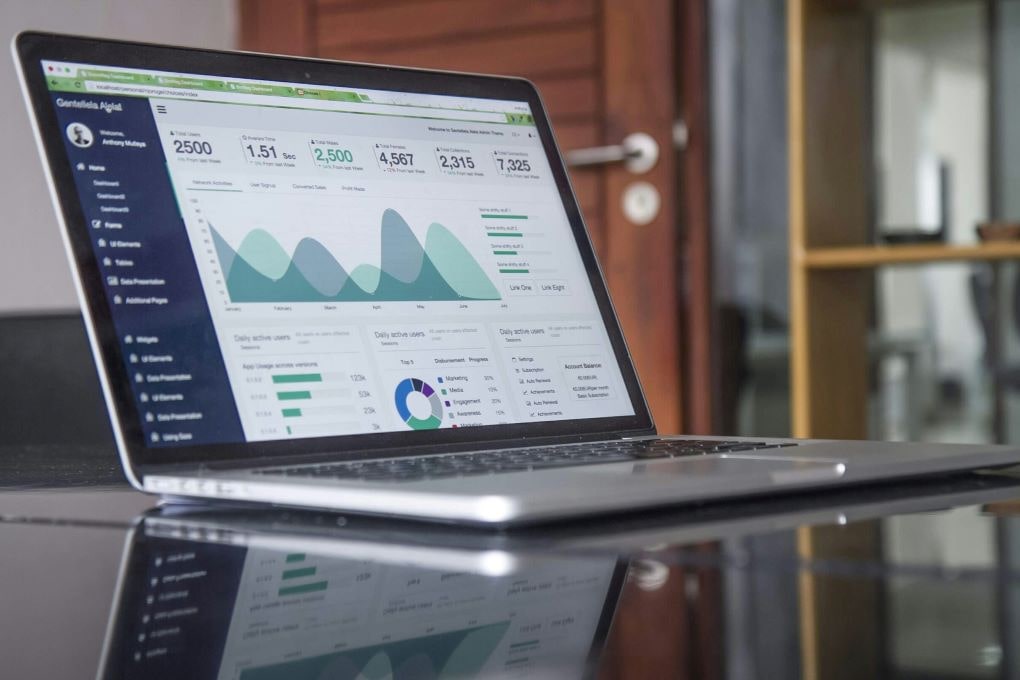
Analysis of drug sales data provides insights into market trends, including shifts in demand for specific therapeutic classes, emerging treatment modalities, and changes in prescribing patterns. Forecasting future drug sales based on historical data and market indicators helps pharmaceutical companies optimize production, marketing strategies, and inventory management.
- Healthcare Expenditure and Cost-effectiveness
Pharmaceutical sales data can inform healthcare expenditure and cost-effectiveness analyses by estimating the economic burden of medication use within the healthcare system. Assessing the cost-effectiveness of different medications and treatment regimens helps policymakers allocate resources efficiently and make evidence-based decisions regarding drug reimbursement, formulary management, and healthcare financing.

- Public Health Interventions and Policy Development
Insights from drug sales data can inform public health interventions and policy development aimed at improving population health outcomes. For example, identifying areas with high sales of medications for chronic diseases may prompt initiatives to promote preventive health measures, lifestyle modifications, and disease management programs.
Algorithms and Modeling
- Predictive Modeling involves building statistical or machine learning models to forecast future pharmaceutical sales based on historical data and relevant predictors.
- Spatial Analysis examines pharmaceutical sales data in relation to geographic locations to identify spatial patterns and trends.
- Descriptive Analytics involves summarizing and visualizing pharmaceutical sales data to understand patterns and trends.
- Time Series Analysis is used to analyze pharmaceutical sales data over time to identify seasonal patterns, trends, and cyclical fluctuations.
- Segmentation Analysis involves dividing pharmaceutical sales data into meaningful segments based on characteristics such as product type, geographic region, customer demographics, or sales channel. By segmenting the data, analysts can identify differences in sales patterns across various segments and tailor strategies accordingly.